For designer Phillip Thomas, every project begins with an act of discovery. “I’m a strong believer that you don’t know what you like until you see it,” he says, “so my job is to take clients on a journey by allowing them to experience varieties of colors, textures, fabrics and furniture. I sit back and let them explore, and my plans take shape in response to their reactions.”
Being given such freedom can come as a surprise to many clients. But for the owners of this coastal Connecticut home—husband-and-wife attorneys who fell in love with Thomas’ process while designing their New York City apartment together—it was a welcome opportunity to continue their design education.
Home Details
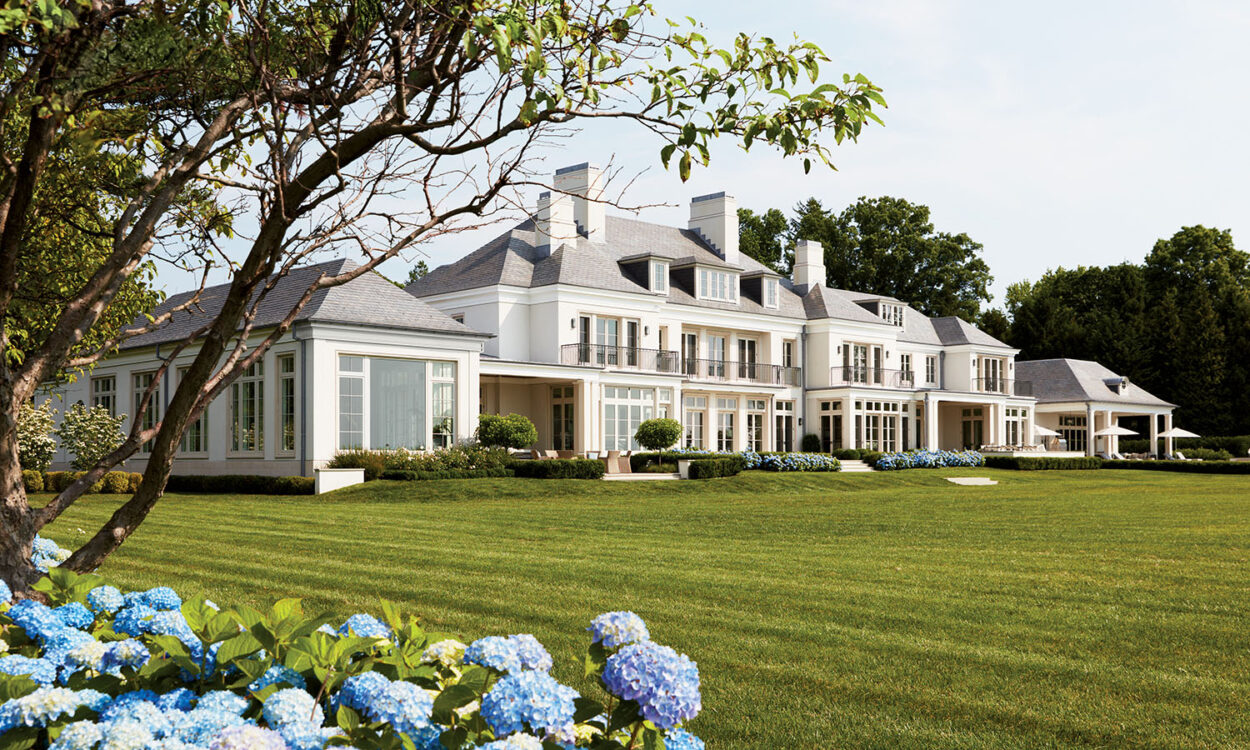
For nearly a decade, the couple had spent weekends in the 100-plus-year-old house, living with interiors that remained much as the previous owners had left them. Upon turning them over to Thomas, the directive was simple: to refresh, not rebuild. “My charge was to work with what we had architecturally,” says Thomas, who employed small but strategic interventions to make the home’s quirks the source of its charm.
Where others might have seen constraints—dim rooms, low ceilings, awkward angles—Thomas found inspiration. He repainted ceilings in satin finishes that reflect natural light, introduced hand-applied decorative glazes to give the walls depth, and set spaces aglow with a palette of blues, celadons, pinks and periwinkles.
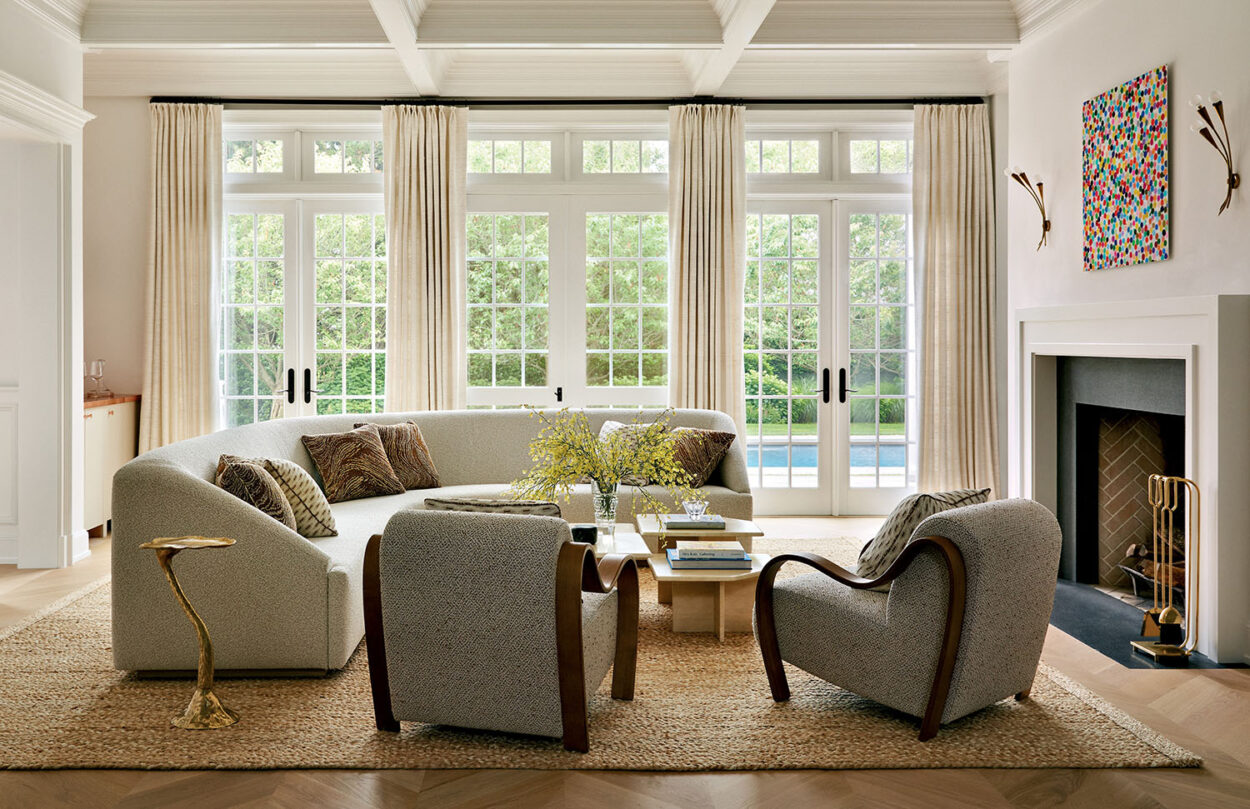
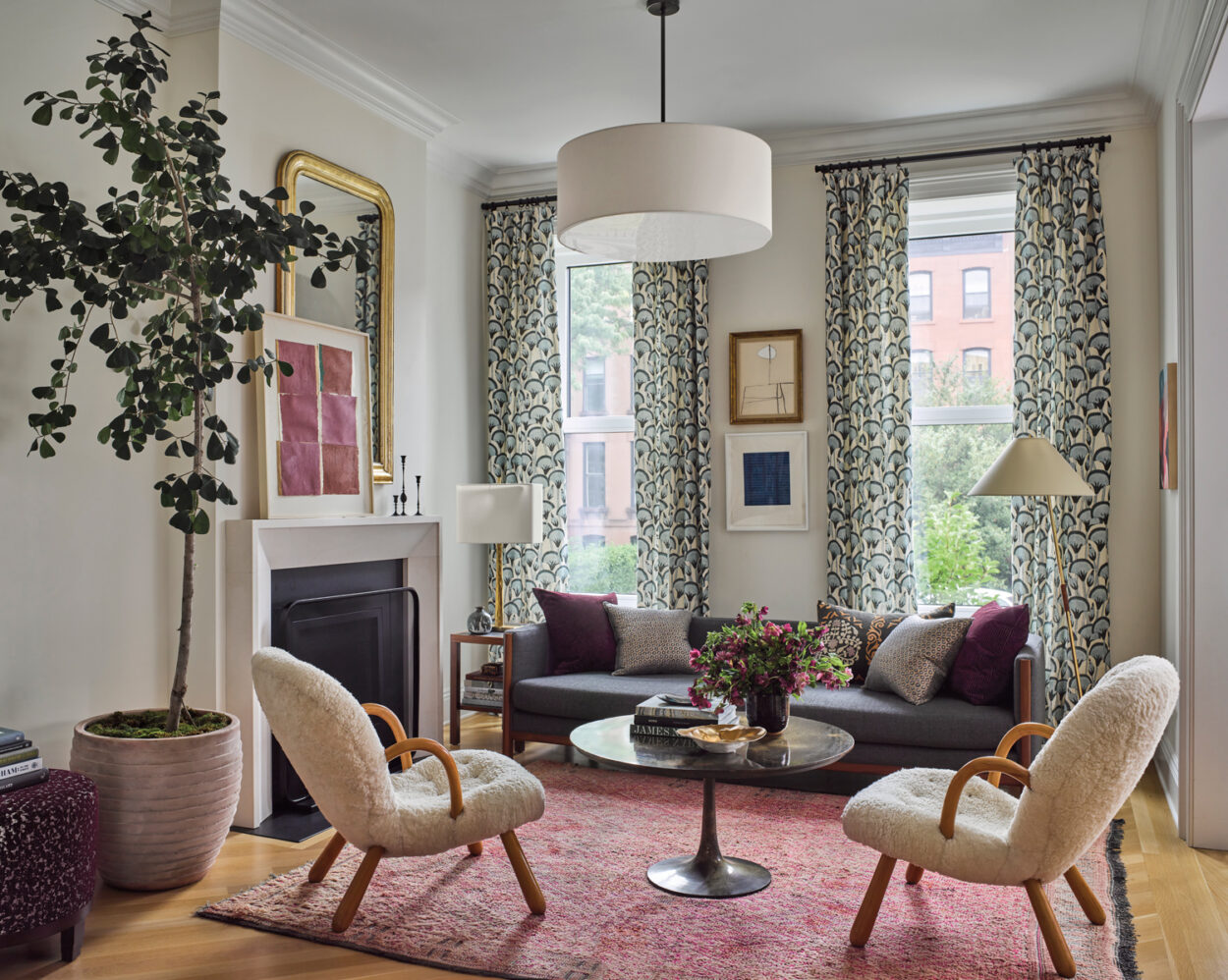
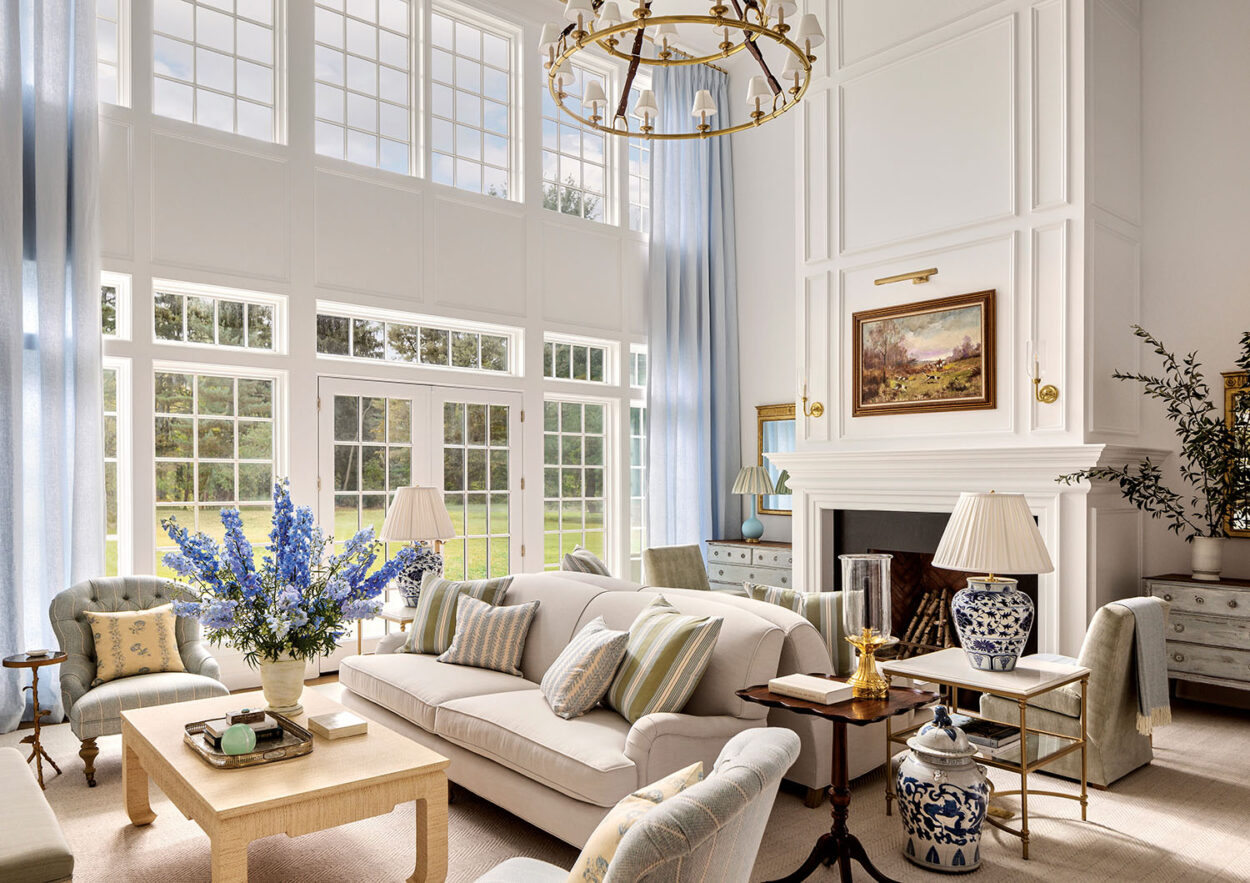
That new atmosphere is strengthened by soulful furnishings sourced from French flea markets, English antique shops and a global roster of makers. In the living room, 19th- and 21st-century pieces coexist in an elegant détente: A throne-like chair sourced on London’s Pimlico Road sits across from contemporary seats with leather-wrapped-steel frames, while a marble specimen coffee table reflects sunlight in shifting tones. “I wanted it to feel like an amalgamation of pieces collected throughout the clients’ lives,” Thomas says.
In the dining room, a live-edge walnut table handmade in Santa Fe anchors the space beneath a rare 1960s Guillerme et Chambron chandelier that Thomas had shortened to fit the room. The surrounding walls are decorated with a custom stencil inspired by the drapery’s chevron trim and hung with a series of prints depicting ceramic plates by Pablo Picasso.
A tiny powder room tucked beneath the stairs makes the biggest statement with another hand-stenciled pattern that envelops walls, ceiling and millwork in vibrant blue. “Powder rooms provide those moments where you can go overboard,” Thomas says. “You want it to capture your attention from the instant you open the door, and that is certainly what happens here.”
To temper the attic-turned-primary-suite’s cacophony of ceiling heights and angles, Thomas applied a delicately patterned wallcovering in the same floor-to-ceiling fashion, blurring the lines between walls and roofline. He also swapped the sleeping and seating areas, giving the latter a view of Long Island Sound. “Why give the best view to the place where you sleep?” he says. “It has become a wonderful space to gather throughout the day and relax.”

Outdoors, Thomas created more places from which to enjoy the natural setting by adding a kitchen, dining terrace and circular fire pit surrounded by lush plantings, and by transforming a seldom-used porch into a sun-drenched, three-season room enclosed by telescoping glass doors. There, hand-painted floors, one-of-a-kind ceramics and colorful furnishings marry art with utility. Anchoring the exteriors is a modern, cobalt, totem-like sculpture that bounces the coastal light off its ultramarine finish.
Commissioning such art for this house wasn’t merely a matter of approving items from photographs. “The homeowners wanted to engage with as many of the pieces as possible,” Thomas says. “They visited the studios and talked to the artists—and they wanted the artists to hear them as well.”
It’s little wonder then that these lively rooms continue to inspire and evolve. “We’re always finding beautiful pieces to incorporate and new artisans to work with,” Thomas says. “In these photos you see but one moment in the evolution of a house.”

Tour The Home: