The CEO Of Peak Projects, Grant Bowen, Shares How Legacy Homes Are Made
Grant Bowen, the founder and CEO of Peak Projects, reveals how legacy homes are made.
To find out what goes into the making of a multi-million-dollar home we spoke to Grant Bowen, the founder and CEO of Peak Projects, a premier project management and owner’s representative firm. Creating the kinds of dwellings we feature in LUXE involves countless decisions and a host of players, and it’s Bowen’s job to navigate that process for his ultra-wealthy clients. Here, he takes us behind closed doors and reveals how it all comes together.
What is the key to creating a great home?
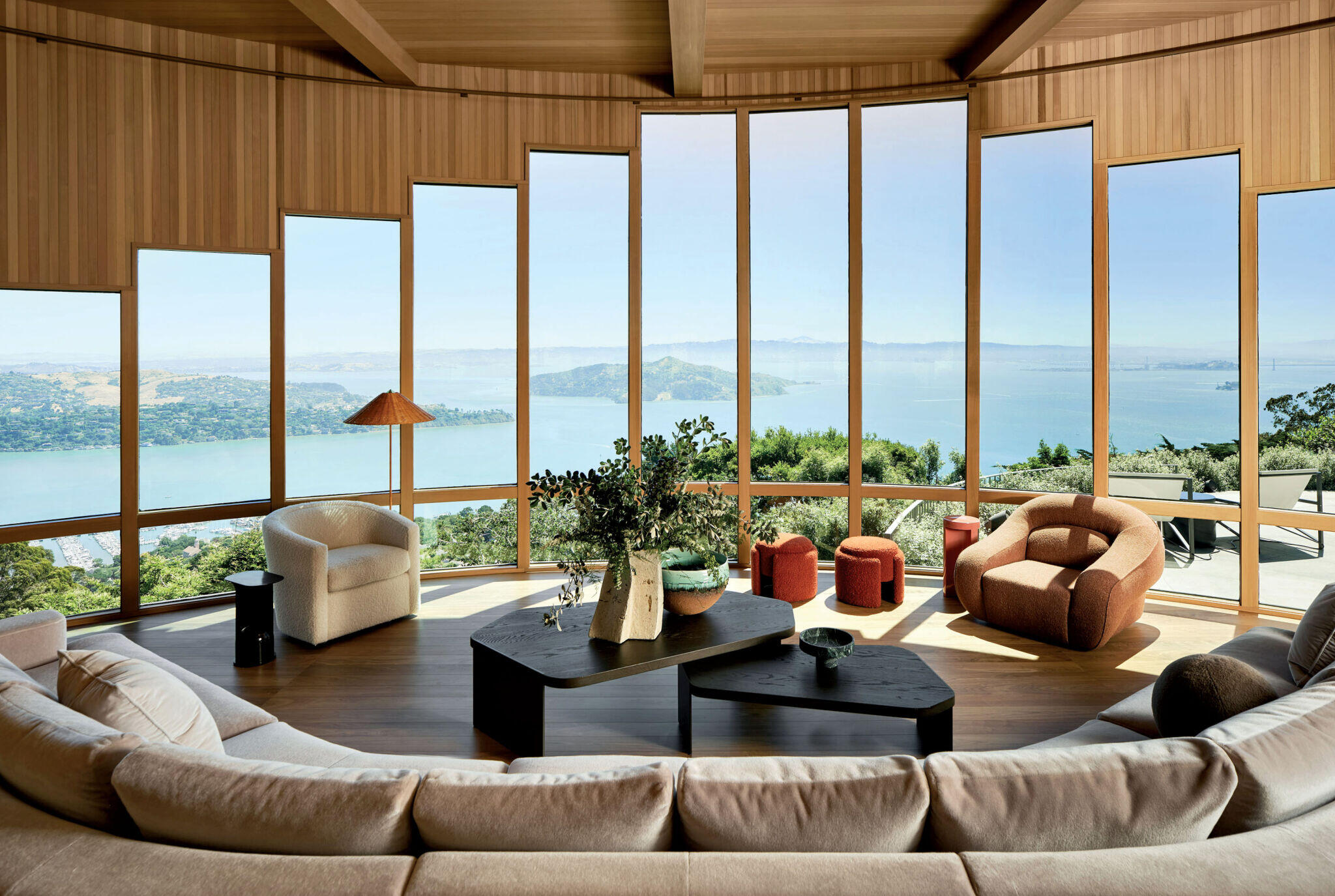
Homes that truly stand out are defined by decisions made months or even years before they are built. There is a meaningful difference between houses that look expensive and estates that function at the highest level. It’s not the size, budget or materials that distinguish a project; what makes a residence top-tier is early clarity about how a family wants their home to feel, function and evolve with them.
You have said that the first 100 days of planning are the most important—why?
Compelling homes appear effortless, not because they are simple, but because complexity was resolved before it became visible. The strongest projects resist the urge to rush into design. Instead, during the planning period before drawings begin, we have owners align on what’s important and make decisions while they can have real leverage and impact. When this early work is done well, design becomes freer, not more constrained.
What kind of luxury elements are you seeing in homes today?
For our clients, wellness is no longer a room, it’s an infrastructure. We are seeing elements such as medical-grade air and water filtration, circadian lighting and state-of-the-art security integrated as systems rather than add-ons. Privacy features are designed intentionally so they disappear into the architecture. We’ve also helped clients build private golf course holes, skate parks, climbing walls, sport courts, ski jumps and party barns. What is changing in luxury is not adding more extravagance, it’s creating intent—a great estate is a place where people seamlessly live, work and play.

What’s ahead in luxury living?
The emphasis will be on reliability and simplicity. Building systems will become more intelligent but less visible. Lighting, climate, acoustics and air quality will be tuned dynamically to season, occupancy and geography. Homes will increasingly be designed as resilient infrastructure, while redundant power, water management, fire and flood response strategies will be driven as much by insurance realities and climate risk as by comfort. Overall, luxury homes in the future will be better orchestrated and more intentional.